
Posted on October 6, 2026
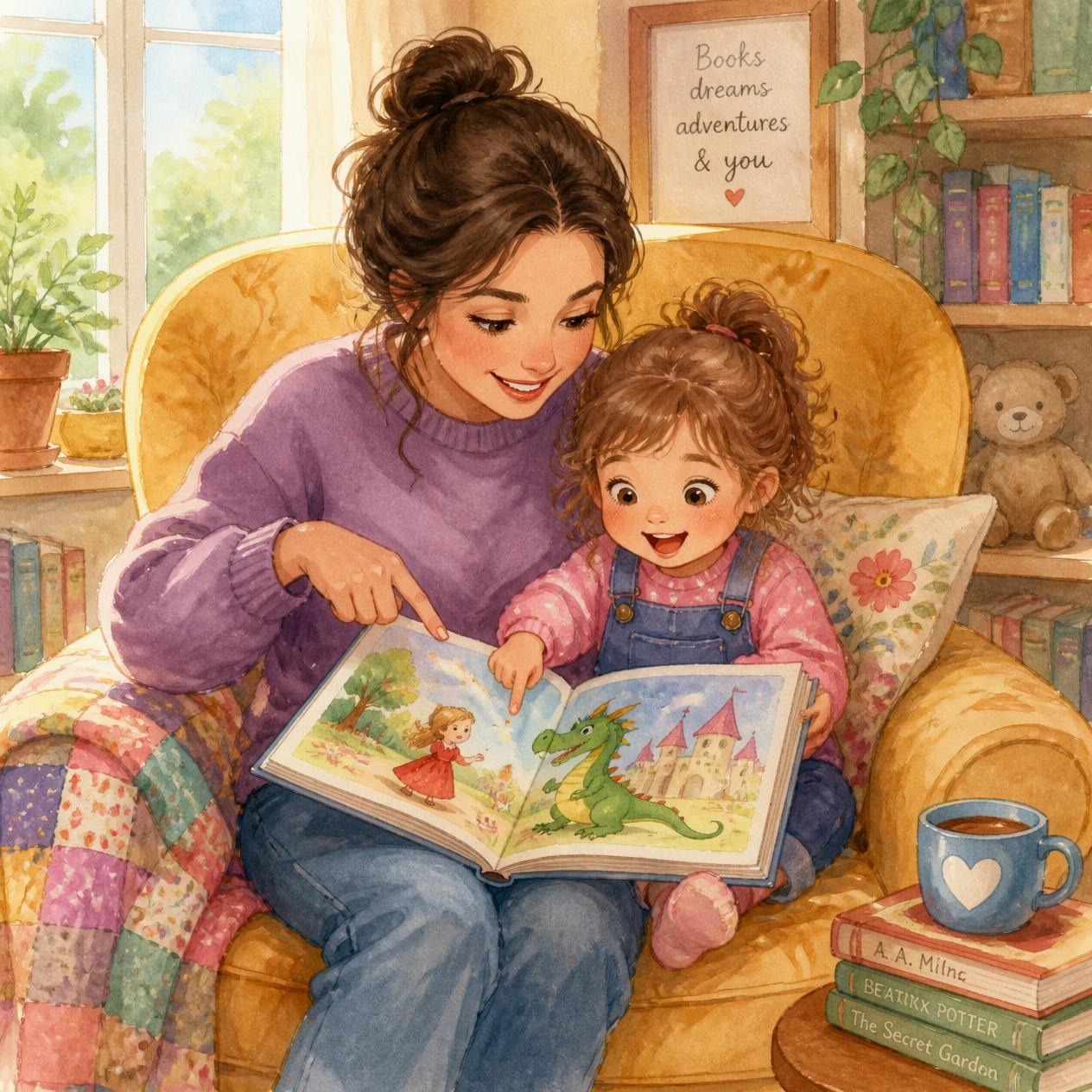
Learning to read involves far more than sounding out individual letters or memorizing sight words. For young children, true comprehension begins long before they can independently read a full sentence on a page. In fact, developing visual literacy in early reading provides a vital foundation for lifelong literacy—empowering children to interpret, understand, and communicate meaning through illustrations, color cues, facial expressions, and symbols.
In particular, children’s picture books offer an accessible and delightful way to nurture these analytical skills while turning early reading into a joyful adventure.
What Is Visual Literacy in Early Childhood?
Visual literacy refers to a young learner’s ability to “read,” interpret, and construct meaning from images and visual media. When children examine an illustration in a storybook, they notice character expressions, explore background details, detect emotional shifts, and predict what might unfold next.
These visual observations require children to connect clues and draw logical conclusions, which mirrors the cognitive work needed to decode written sentences. Furthermore, before children can decode phonics on their own, pictures serve as their very first gateway to storytelling. Developing visual literacy in early reading ensures that children approach books with active curiosity rather than frustration.
Building Meaning and Comprehension Through Picture Books
Picture books offer rich contextual clues that bridge the gap between imagination and language. For example, an illustration of a child holding a bright yellow umbrella instantly communicates that a storm is brewing, even if the young reader cannot yet read the word “rain.”
When children study illustrations, they naturally begin asking questions:
- “What is happening in this scene?”
- “How do you think the character feels based on their posture?”
- “What might happen on the next page?”
These inquiries encourage children to think critically and make thoughtful predictions. Heartwarming stories like Cookie’s Sweetest Day use expressive artwork to help children understand themes of kindness, sharing, and empathy through visual cues alongside gentle text.
Supporting Early Vocabulary and Language Development
In addition, visual storytelling acts as an anchor for vocabulary growth. Illustrations provide concrete representations of unfamiliar concepts and words. When a child encounters a new term such as “canopy” or “burrow,” a detailed illustration offers an immediate, tangible reference point.
Parents and educators can strengthen this learning experience by asking open-ended questions during shared storytime. Rather than merely naming objects, adults can ask:
- “What do you notice about how the background colors changed?”
- “Why do you think the little puppy is hiding under the chair?”
Consequently, these conversations introduce descriptive vocabulary while encouraging children to explain their thinking with confidence.
Encouraging Critical Thinking and Picture Walks
Visual literacy is not simply about identifying static objects on a page. It also encourages children to evaluate evidence and consider multiple perspectives.
One of the most effective techniques parents and teachers can use is a picture walk. During a picture walk, an adult guides the child through the illustrations of a book before reading the words. Children predict the plot, identify character relationships, and explore settings purely through visual clues. When the story is finally read aloud, children proudly compare their predictions with the written text. For research-backed frameworks on visual learning and early literacy, resources from the Reading Rockets initiative offer practical strategies for classrooms and families.
To discover more about using storybooks to inspire young minds, explore the About Sonia GT page.
From Visual Literacy to Confident, Lifelong Readers
Ultimately, strengthening visual literacy in early reading equips children with the interpretive tools they need to transition smoothly to independent chapter books. It teaches them to pay attention to subtle nuances, infer emotional context, and construct deeper meaning.
By inviting children to pause, question, and engage with the artwork on every page, we transform reading into an active discovery. Through the harmonious blend of language and illustration, picture books help every child take their first confident steps toward a lifetime of reading joy.